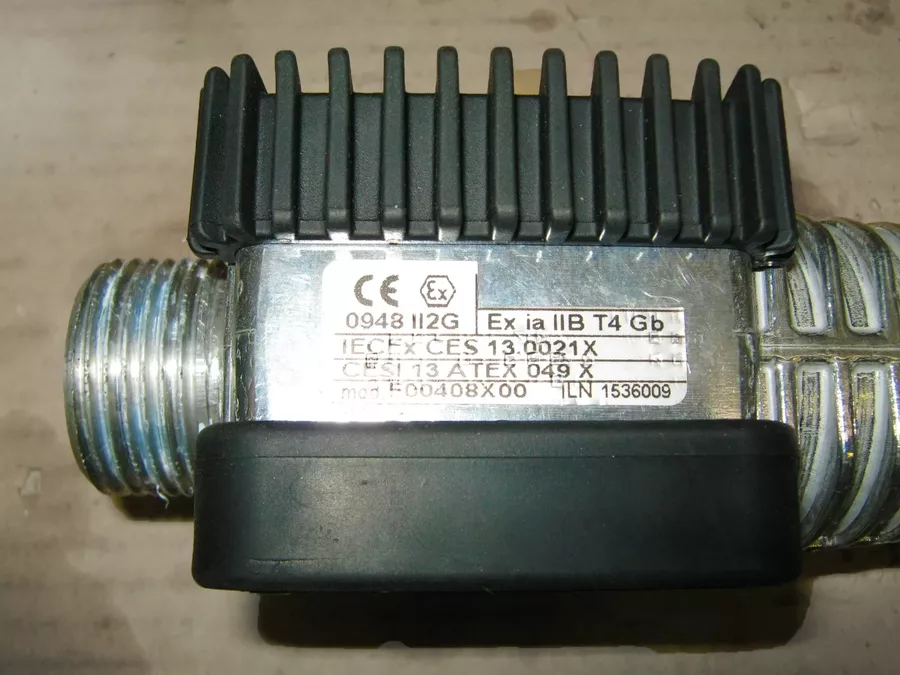
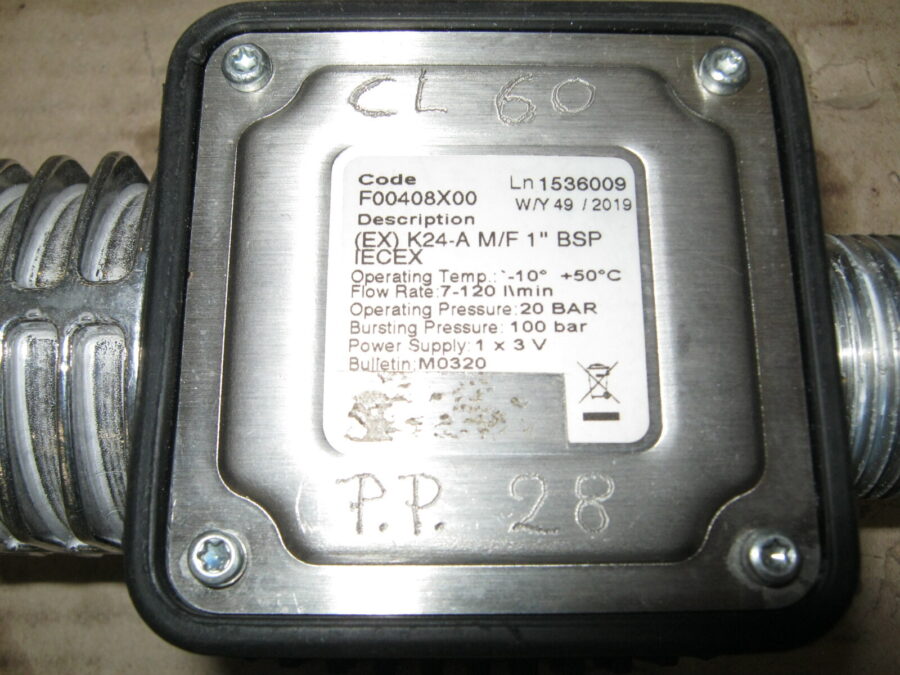
Sooner or later everyone finds a product that seems strange or that doesn’t work properly. This feeling, which sometimes is important to follow, generally means that the product has been tampered with. What does this mean? That the product has been altered from its original shape or production.
This may affect both the mechanical and functional aspects of the product, as well as the aesthetic and informational aspects. The alteration of any function is the same, legally, as the alteration of the conformity label that the product must have.
It is important to keep in mind that this act, though it may appear harmless, – for example removing a label or part of it does not seem dangerous or illegal, as well as for logo or rubber protections - it is considered as a serious illegal act prohibited not only by the European Parliament (within the market harmonization), but also by the product’s specific Directives. The Decision No 768/2008/EC of the European Parliament and of the Council helps to clarify:
The Decision states that, in case of an alteration of the original product, the responsibility of that product is no longer on the manufacturer. Furthermore the same Decision states: “Where a distributor considers or has reason to believe that a product is not in conformity with...[reference to the relevant part of the legislation], he shall not make the product available on the market until it has been brought into conformity. Furthermore, where the product presents a risk, the distributor shall inform the manufacturer or the importer to that effect as well as the market surveillance authorities”.
If there is something wrong with a product received from a Company in terms of conformity to different norms, the Decision tells us to inform the manufacturer immediately. Although, obviously, a direct intervention on the product could reduce the resolution time. However, this is an incorrect practice.
Within its own activities, PIUSI is always available for a positive and prompt feedback with all its customers whether there may be doubts or questions on products marking or any other information in order to guarantee the maximum coherence between the product sold and what is placed on the market.
If, however, tampering should occur, the Company is no longer responsible towards the customer and third parties and will not be able to take charge of any repairs under warranty of the product as it has been altered and it is no longer original.
Source: https://eur-lex.europa.eu/lega...